
Commercializing the Bio-Foundry: Strategic Management of Synthetic Biologyโ€™s Distributed Supply Chain

The rapid advancement of Synthetic Biology (SynBio) marks the dawn of a new industrial revolution Commercializing the Bio-Foundry Strategy โ€”one where life itself becomes programmable. The concept of a bio-foundry, a facility capable of engineering microorganisms to produce materials, medicines, and fuels, is transforming how corporations perceive manufacturing, supply chains, and intellectual property. At the


Read More

Quantum-Proof Strategy: Corporate Decryption Risk, Post-Quantum Cryptography (PQC), and the First-Mover Advantage

Imagine a near future when a large-scale, fault-tolerant quantum computer goes live โ€” call it โ€œQ-Dayโ€. At that moment, Quantum Proof Strategy PQC the public-key cryptography that now underpins e-commerce, finance, corporate communications, and intellectual-property protection will be rendered obsolete by algorithms such as Shorโ€™s algorithm. Long-term corporate survival will depend on a costly, multi-year

Read More

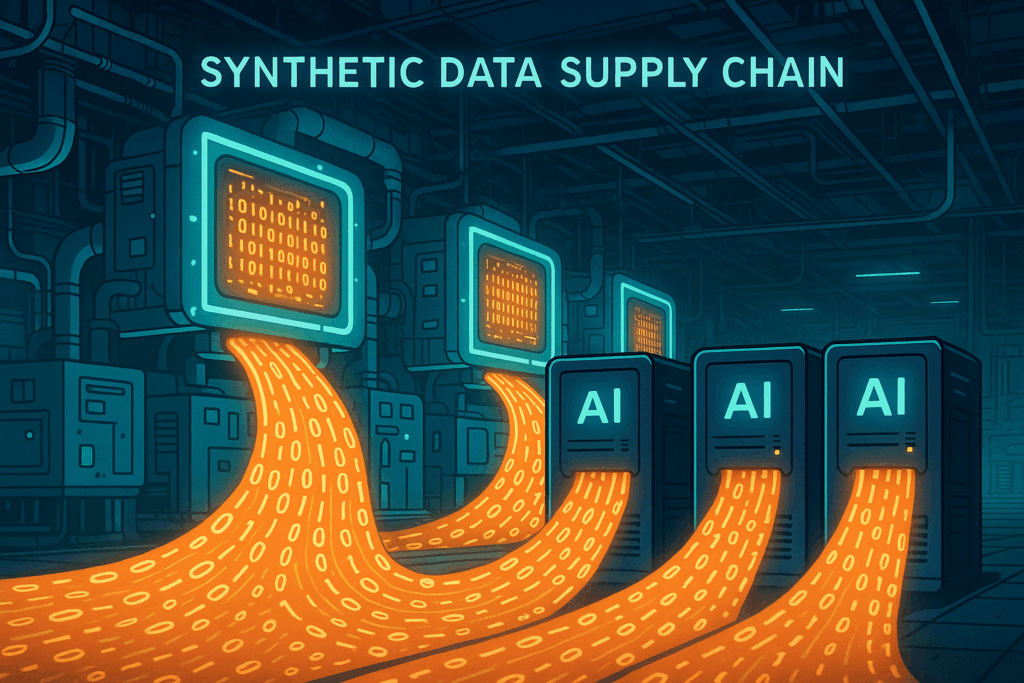
The Synthetic Data Supply Chain: Ownership, Ethics, and Quality Control in the Age of Generative AI Training

In the digital era of artificial intelligence, data has become the worldโ€™s most valuable resourceโ€”fueling innovations across industries. However, a major shift is underway. Instead of relying solely on real-world data collected from human activity, organizations are increasingly training their AI models on synthetic dataโ€”data artificially generated by algorithms to simulate human behavior. This development

Read More

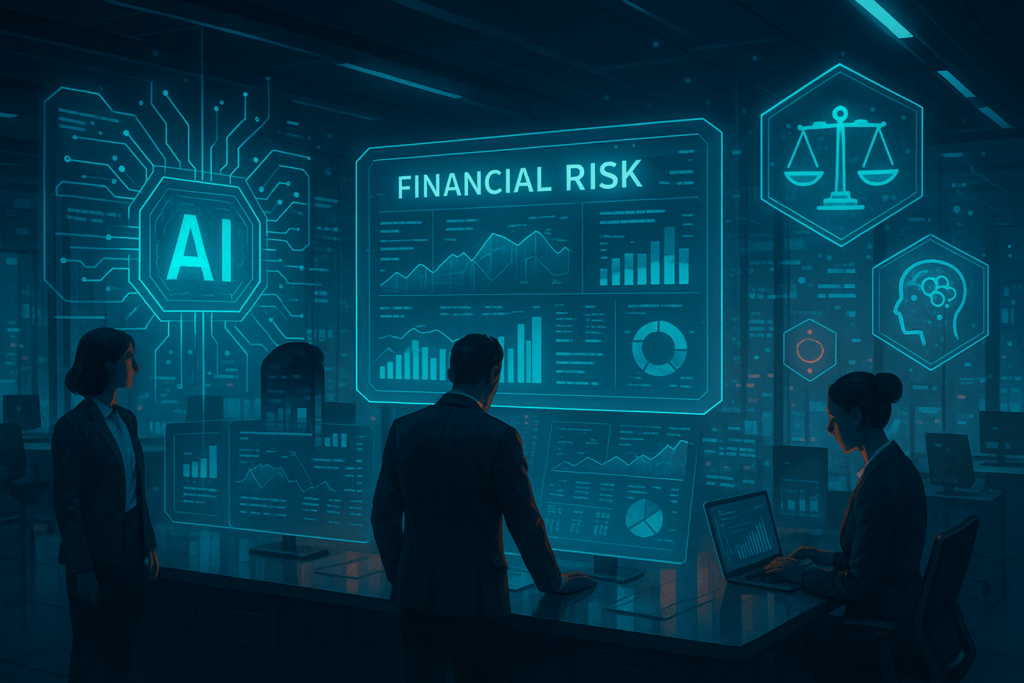
The Ethics of Pre-Crime Finance: Re-engineering Risk Models with Predictive Cognitive AI

In the evolving landscape of Pre-Crime Finance Ethics the corporate governance, risk management has reached a new frontier. The integration of predictive cognitive AI โ€” autonomous systems capable of analyzing vast troves of transactional, biometric, and behavioral data โ€” has enabled organizations to identify potential financial misconduct before it occurs. This paradigm, often described as

Read More

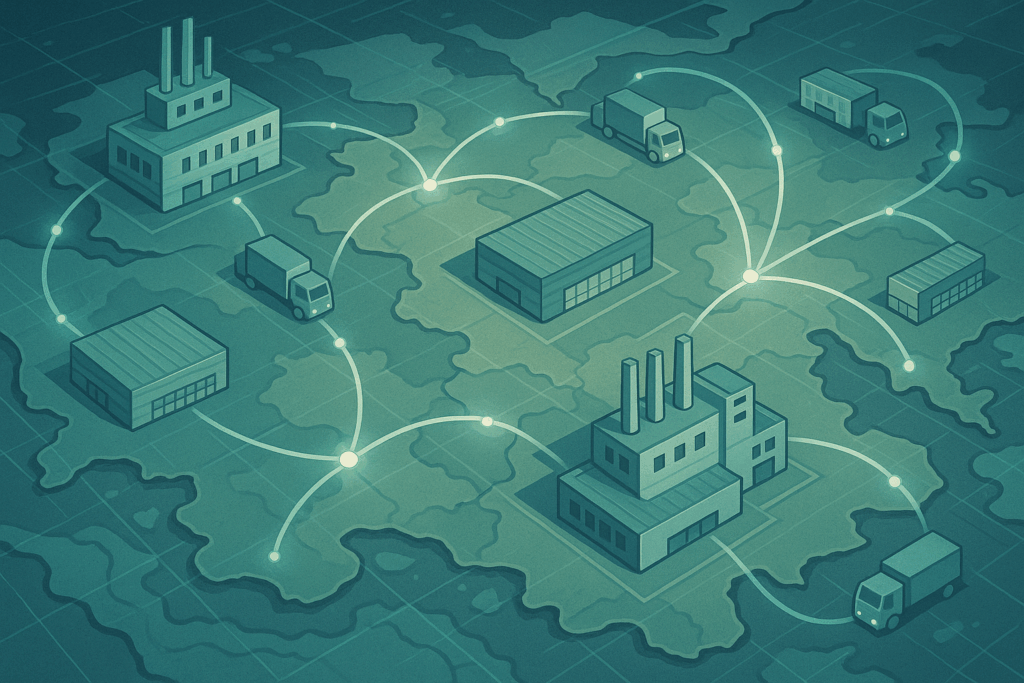
Deglobalization Supply Chain Resilience and Local Optimization

For decades, globalization defined the way goods were produced, transported, and consumed worldwide. Companies optimized operations by stretching supply chains across continents, achieving cost efficiency, just-in-time delivery, and economies of scale. Yet, recent geopolitical tensions, trade wars, and pandemic disruptions have challenged this model, creating what scholars and industry leaders now term the Deglobalization Supply

Read More

The Organizational Culture of โ€˜Quiet Quittingโ€™: A Managerial Failure Analysis and Strategy for Re-Engagement

The term โ€œQuiet Quitting Organizational Cultureโ€ reflects a deeper managerial and organizational challenge rather than just a workplace trend. The idea goes beyond employees quitting their jobsโ€”it represents a silent withdrawal of effort, passion, and initiative due to ineffective leadership and weak engagement strategies. Understanding this issue requires an analytical and empathetic approach. For students

Read More

De-Globalization and Hyper-Localization: Strategic Responses in a Fragmented World

In recent years, global trade has begun to fray. The twin forces shaping this shift โ€” known collectively as the Deglobalization Hyperlocalization Impact โ€” are redefining how firms design supply chains, serve customers, and compete. Protectionist policies, geopolitical tensions, and consumer demand for locally sourced goods are steering firms away from the once-trusted global model

Read More

The Dark Side of Algorithmic Management: An Ethical and Productivity Analysis of AI-Driven Supervision

The Algorithmic Management Ethical Impact is becoming increasingly visible in todayโ€™s AI-powered workplaces, where technology is no longer just a support system โ€” it is often the supervisor. From automated scheduling to performance tracking, algorithmic management has quietly redefined how employees are monitored, evaluated, and motivated. As organizations adopt these systems for efficiency, a deeper

Read More